Ephesus

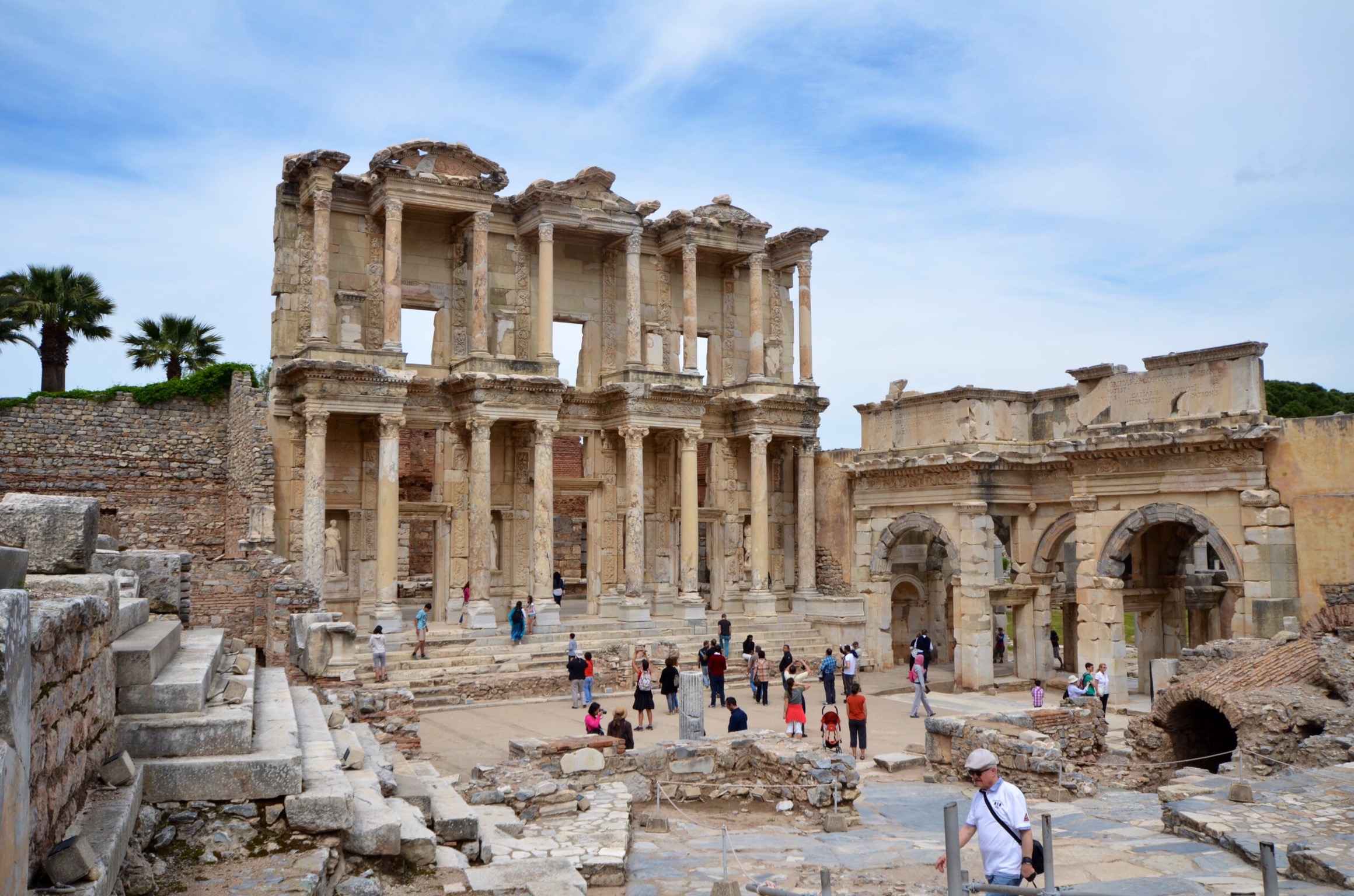
Library at Ephesus

Celsus Library at Ephesus    (Photo by P. Corkery)

If you’re going to Turkey, don’t stop at Istanbul. We hopped a flight on Pegasus Air and for less than $100 round trip flew into Izmir to begin our adventure. Ephesus is of Greek origin that later came under Roman influence before being taken over by the Turks in the 14th century. It was once a huge trade center of the ancient world. The temple to Artemis was located in Ephesus, one of the seven wonders of the ancient world, but it eventually became a strong seat for Christian worship. St. John established the first Christian community, and St. Paul spent some years preaching and gaining converts among the Ephesians. The port became silted in through the years and the magnificent buildings are now ruins much beloved by tourists from all over the world.

Where to Stay

Most travelers choose between Kusadasi and Selcuk when planning their journey. Kusadasi is a resort town on the Aegean coast where cruise ships dock, and it is about a 30 minute drive to Ephesus. Selcuk is only about two minutes away from Ephesus. Since we were traveling in April, and it was still too cold to enjoy the sea breezes, we decided to stay in Selcuk.
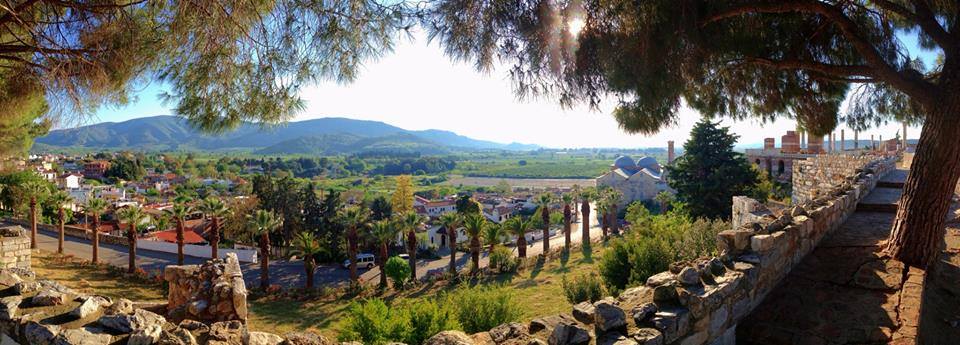
View from the Basilica of St. John's

View from the Basilica of St. John’s. In the Distance are the Ruins of the Temple of Artemis (Photo by P. Corkery)

Once Selcuk had been decided on I began researching hotels. You’re not going to find American style hotels in Selcuk, but you will find charming family run pensions. After looking at the various reviews we chose the Hotel Nazar. The Nazar is in the town center. They also offer a transfer service from the airport in Izmir. They are also only a short walk from St. John’s Basilica. Staying at Hotel Nazar provided us with the personal experience you always hope to find, but seldom do. Ilker, the owner, met us at the airport in Izmir and chatted with us until his father, a charming man of Greek heritage, drove us to Selcuk, where we were greeted by the owner’s mother in law, a lovely French woman. We had the most amazing dinner of our three-week vacation that evening on the rooftop restaurant, a traditional Turkish meal cooked by one of the local women. 

We were the only guests that night and reveled in their undivided attention. Breakfast is also served on the rooftop terrace. Every morning we were served fresh juice, tea, an assortment of cheeses, fruit, yogurt and bread.

The hotel arranged a taxi driver, Tolga, to pick us up the next day. He drove us to the House of the Virgin Mary, where he waited for us, and then to the upper gate of Ephesus. We met him three hours later at the bottom gate, drove us all around, and regaled us with stories, histories, and myths, all for the equivalent of $50 U.S. dollars.
Hotel Nazar is a traditional Turkish abode, beautifully decorated, spacious, charming, and delightful. Everyone at the hotel were warm and welcoming. They seemed eager to get to know us and make sure our stay in Selcuk was a top experience. And, it was. I would definitely stay here if and when I return.
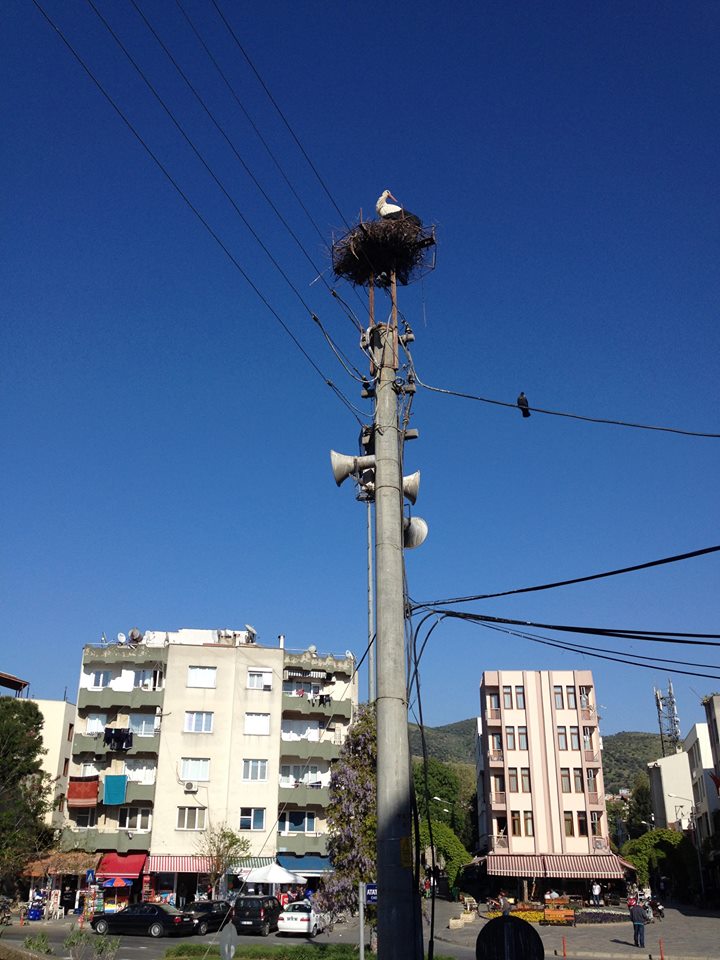
One of the Many Nesting Storks of Selcuk

One of the Many Nesting Storks of Selcuk (Photo by P. Corkery)

Travel to From and Within

We flew Pegasus Air out of Istanbul to Izmir, the nearest airport to Ephesus. The flight lasted less than an hour and was easy for two non Turkish-speaking visitors to manage. Ephesus is about an hour away by road, and public transportation is available. Turkey also has a system of small busses called dolmas. They are marked with their destination, reasonably priced, and take off once they are filled. The majority of signs are written in Turkish and English, which makes finding your way around easy.

Must Sees
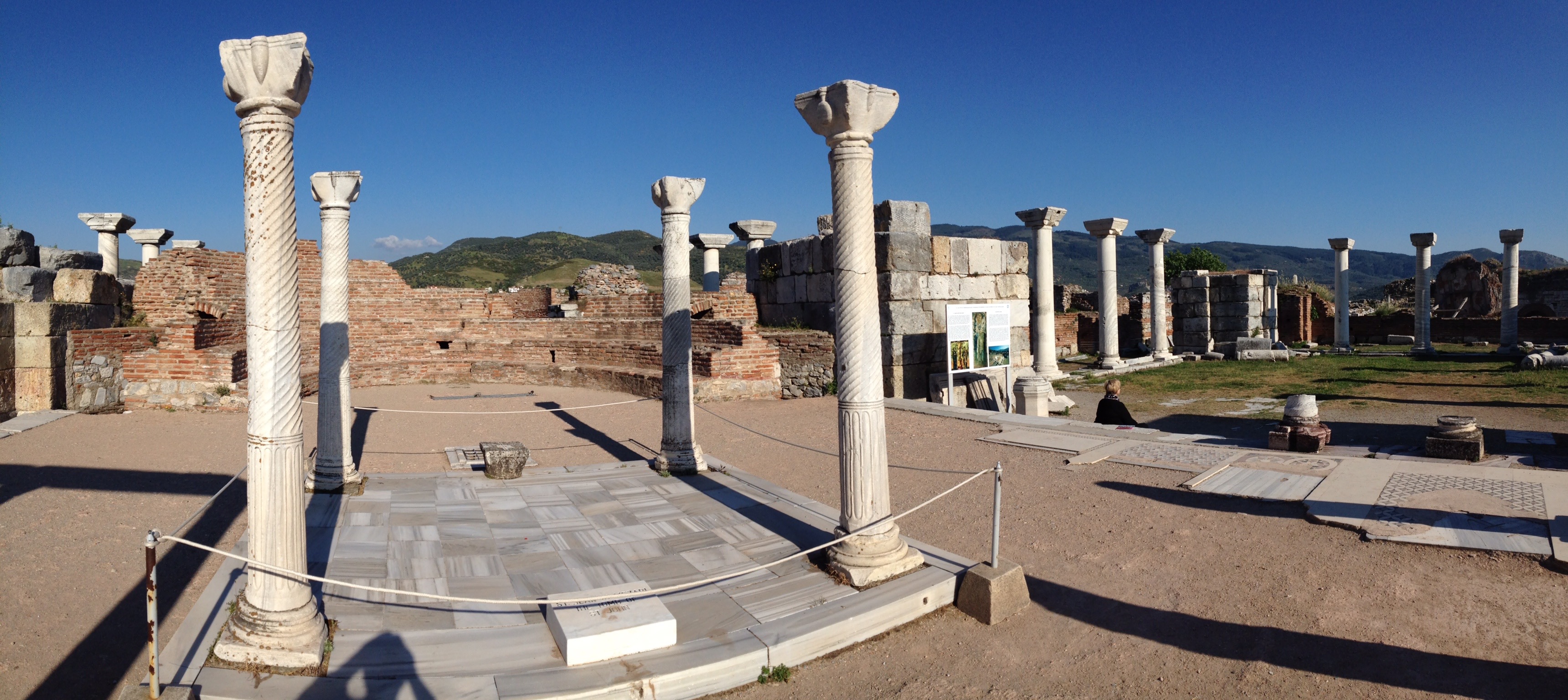
St. John's Basilica

St. John’s Basilica (Photo by P. Corkery)

St. John’s Basilica was built in the 6th century by the Emperor Justinian. It’s said to be the burial spot for the beloved Apostle John. Many that travel to Ephesus miss these amazing ruins, as they are located within Selcuk. We strolled over from the Hotel Nazar one evening before they closed. There were only a handful of visitors.
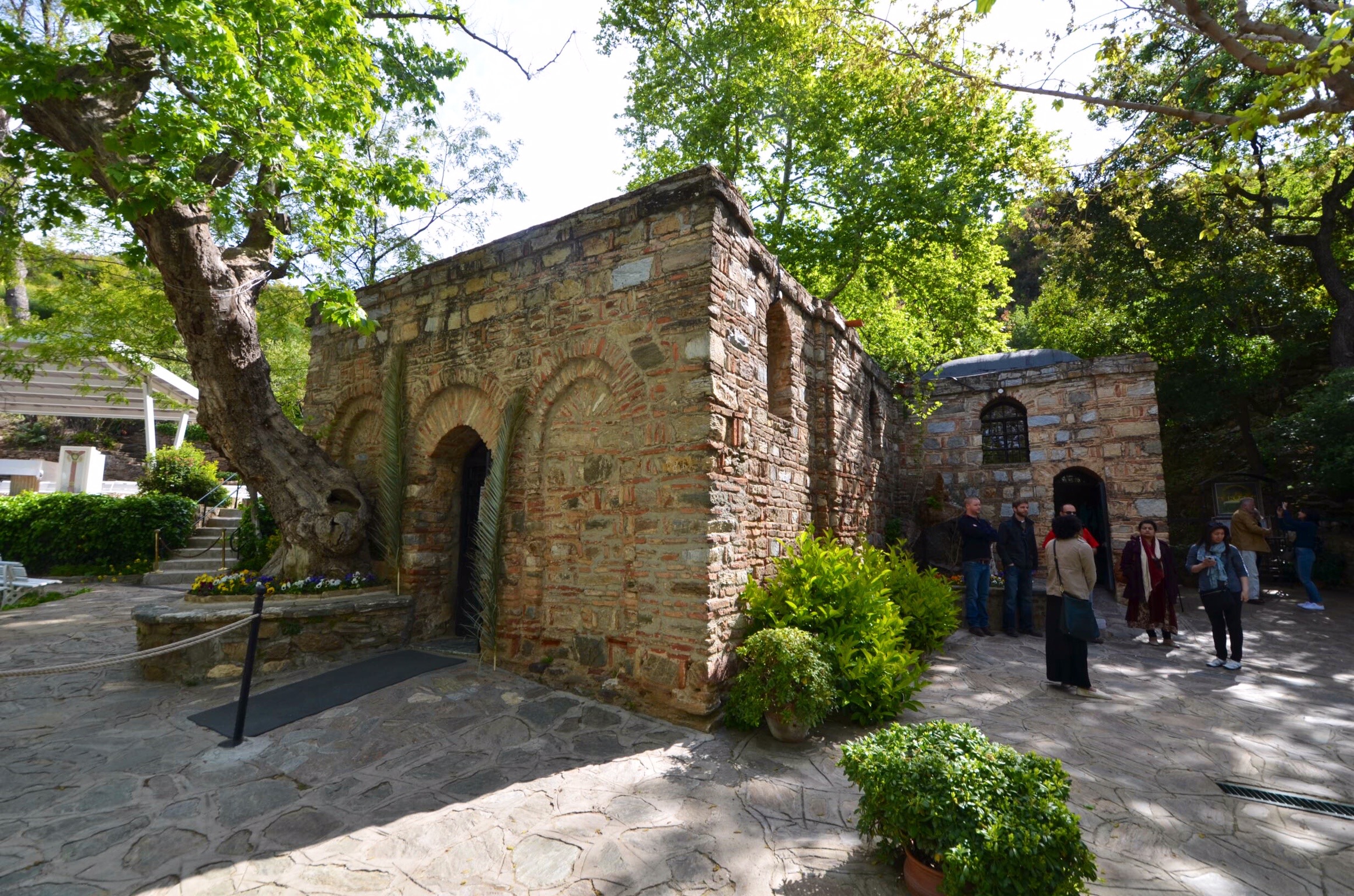
House of the Virgin Mary

House of the Virgin Mary (Photo by P. Corkery)

Meryem ana, Virgin Mary, is beloved in Turkey. This is said to be her final home and that she came to the area with St. John. I’m not certain any of that is true, but there is a feeling of peace and miracles within these walls. The house is on a hill away from Ephesus. It was important to me to spend time there, so we had Tolga our guide drop us off for a visit. As you enter the area the kiosks lining the walkway sell religious icons, spices, and fabrics.
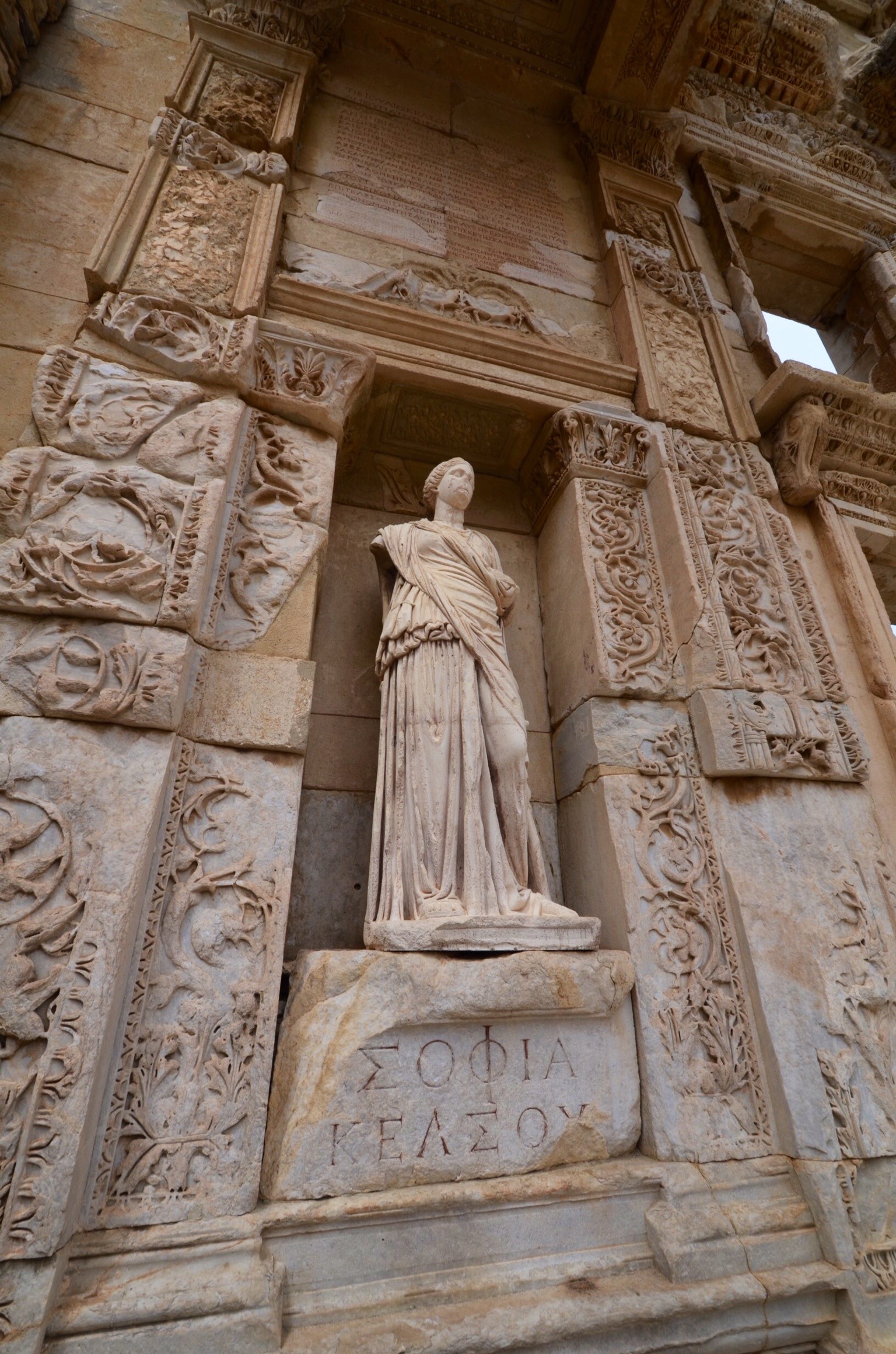
Wisdom at the Celsus Library

Wisdom at the Celsus Library (Photo by P. Corkery)

This is a carving of Wisdom from the wall at the Celsus Library. The library was built during the Roman era of Ephesus and was built to honor the Roman Senator Tiberius Julius Celsus Polemaeanus, who was buried underneath. It was finished in 135 A.D.
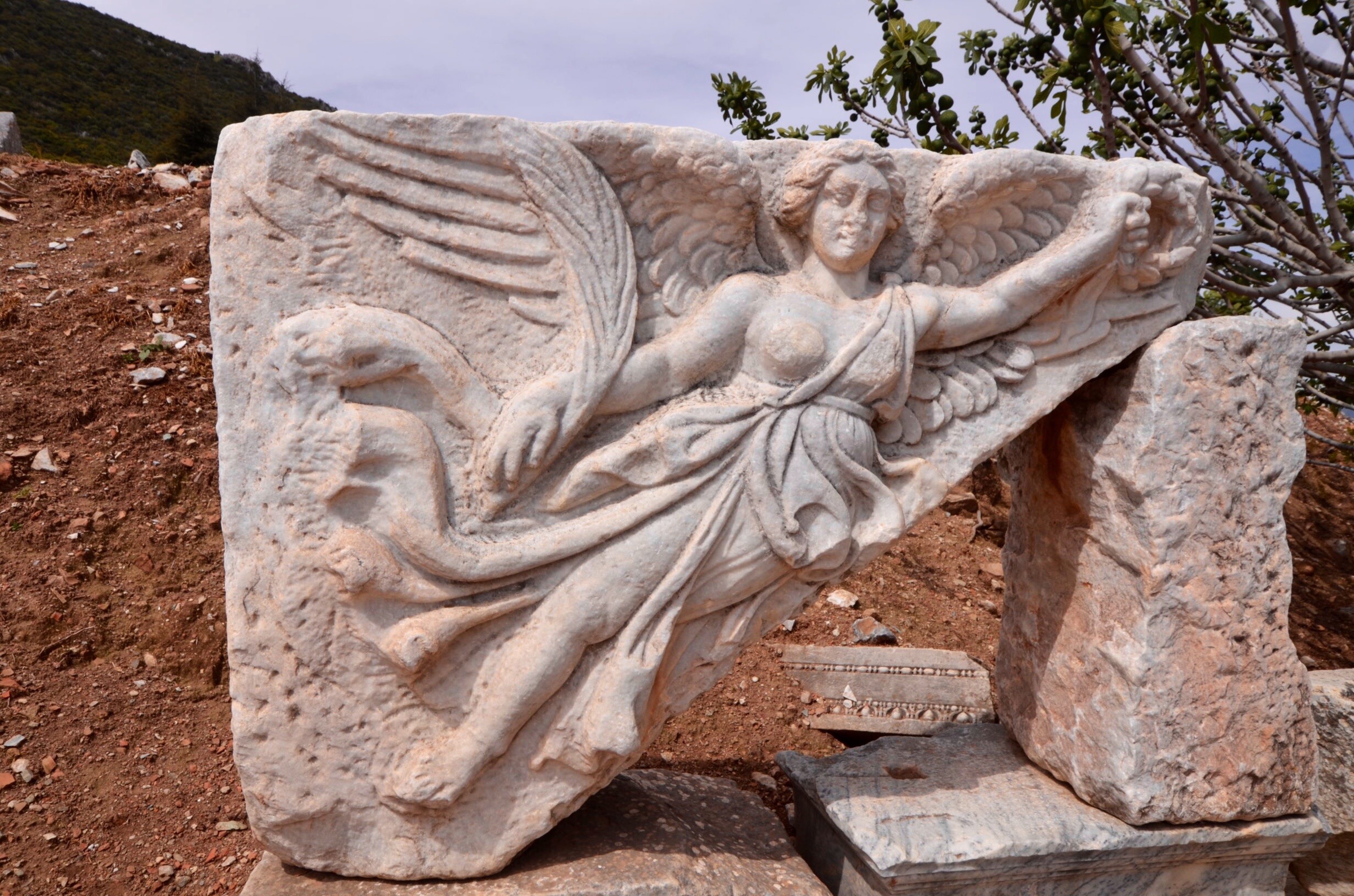
Nike the Goddess of Victory at Ephesus

Nike the Goddess of Victory at Ephesus (Photo by P. Corkery)

Nike is the Greek Goddess of Victory. She is known as Victoria in the language of Roman gods and goddesses. In her left hand is the wreath of glory. Nike flies around battlefields bringing victory to those who are deserving.
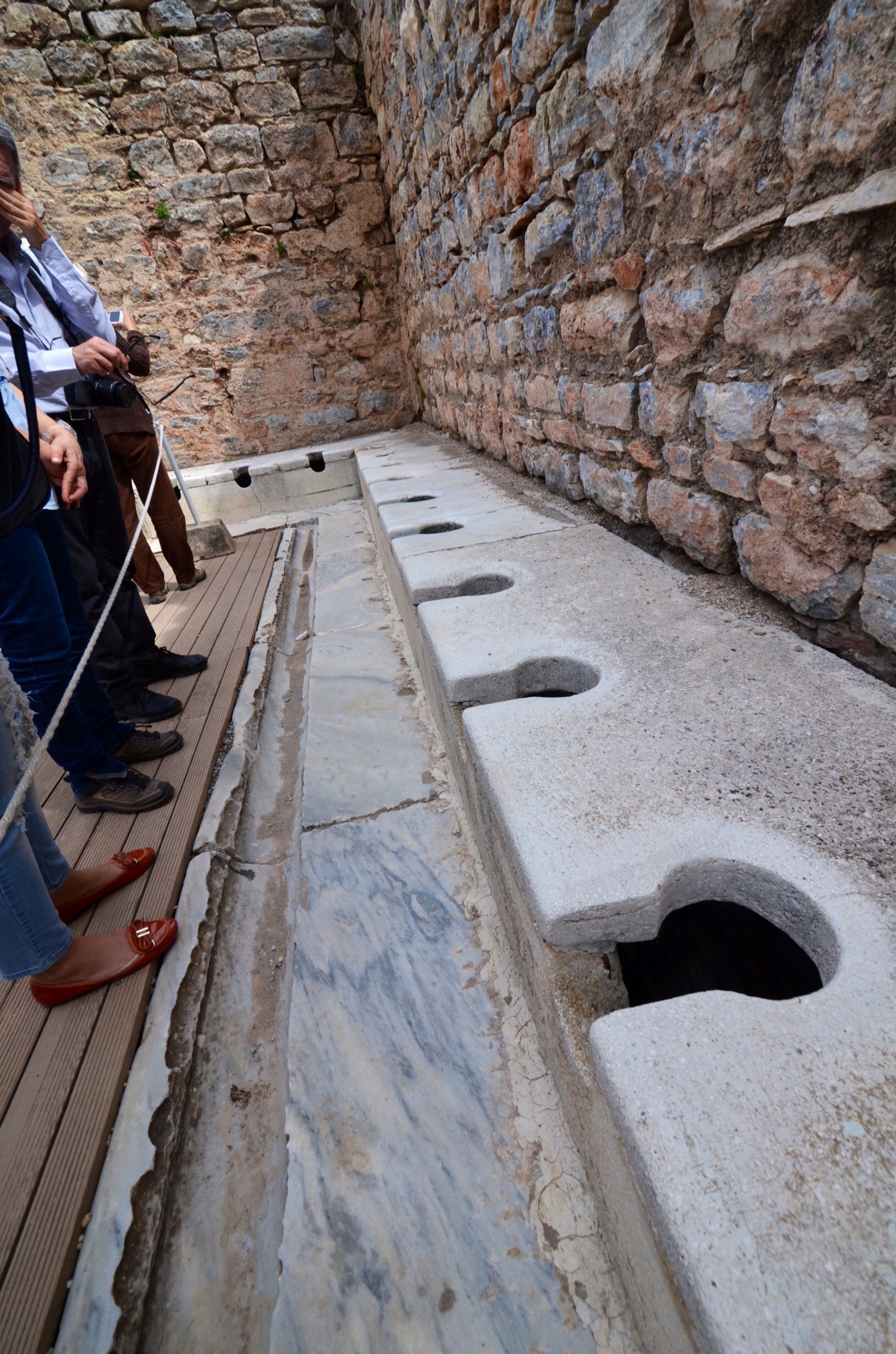
Public Bathroom

Public Bathroom (Photo by P. Corkery)

These are the municipal bathrooms in Ephesus. The seats were made of marble and situated over a series of deep troughs. A trough of clean water ran by your feet so you could dampen a sponge on the end of a stick to clean yourself after using the toilet. A small orchestra often played nearby to mask the sounds.

Ephesian Cat

Ephesian Cat (Photo by P. Corkery)

This cat seemed to be just as popular with photographers the day we visited as any of the ruins.
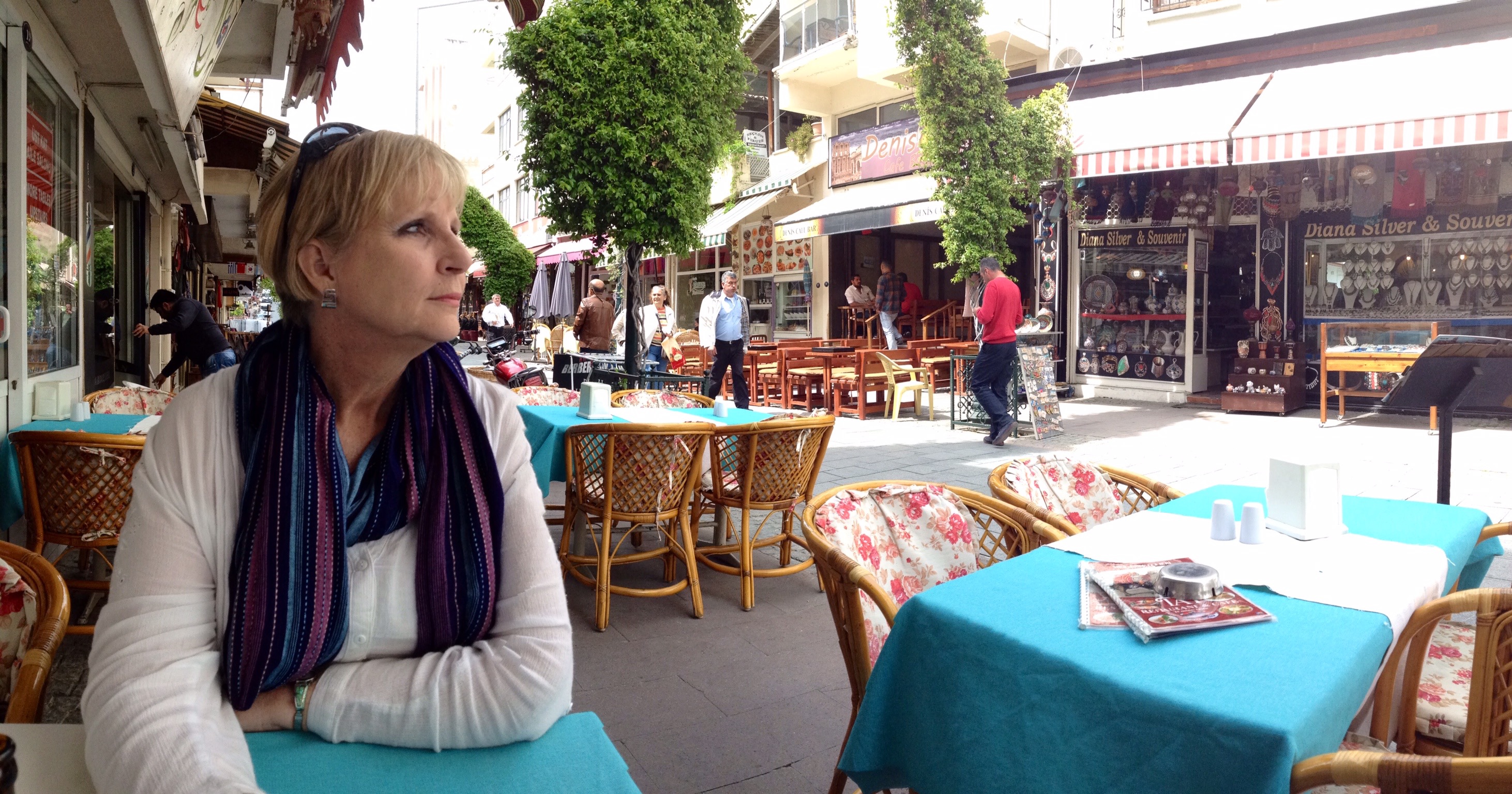
Dinner at a Street Taverna

Dinner at a Street Taverna in Selcuk
Istanbul

The Hagia Sophia (Photo by P. Corkery)

Istanbul is a fascinating city of incredible beauty. For many, it’s the gateway to Turkey and a western friendly introduction to Islam and the Islamic world.

Istanbul straddles two continents, Europe and Asia, and prides itself on being secular. Some women wear varying degrees of head covers, but the majority do not. I did find it convenient to wear a light eternity scarf during sightseeing, which I could easily cover my hair with when we popped into a mosque where proper dress is mandatory (more on that further down the page).

Istanbul is a city of steps and hills that can be very tiring. If you take your time, though, the added exercise will be well worth the pain. Public transportation is easily accessible and modern. When choosing your hotel keep its proximity to the nearest underground, tram, or bus in mind. You should also bear in mind that walking distance to a European , who walks everywhere, is quite different than walking distance to most Americans. I personally don’t think one mile uphill is walking distance.  It’s more of an endurance distance.

Don’t let Syria’s border with Turkey keep you from visiting.  Istanbul is 940 miles, 1,514 km, and 17.25 hours, in other words quite a distance from the contentious Syrian border.

Where to Stay

There are different areas to choose from when searching for a hotel in Istanbul.  The area near Taksim Square is vibrant and bohemian. Taksim Square is the hub for all transportation, which made it a good choice for us. I would also recommend the Sultanahmet area because it is in the midst of the historic sites you’ll wish to see.

We stayed at the Suiteness Taksim for four nights in April and were very happy with the location, the charm, the staff, and especially the size of our room. We were given a large suite on the back of the hotel away from the noise of the street. There was a club nearby,  and we would blissfully drop off to sleep listening to the jazz drifting through our open window.

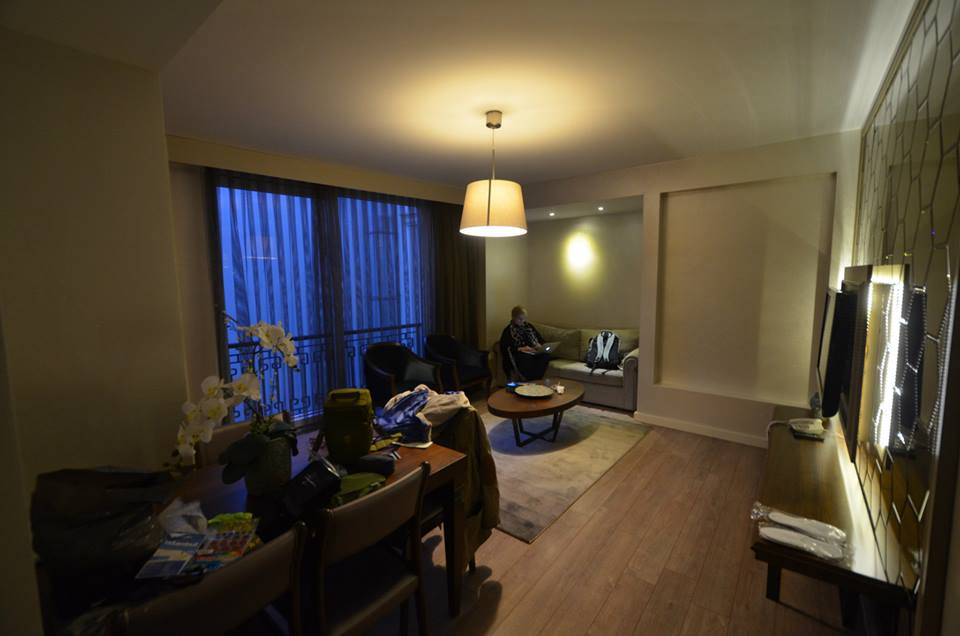
The living room area of our suite was comfortable and spacious with a small kitchenette off to the side that could be hidden behind doors. The bathroom was large and modern. The bedroom had a large closet with drawers and a comfortable large bed. The suite was everything you could hope for.

taksim suitness

The living area of our suite

Breakfast was a buffet with a large selection in a pleasant area. It’s a typical European style breakfast, which some Americans might find strange, but it was good and healthy. The staff at reception was very helpful with directions and ideas.

After long hours of walking, climbing, and sight seeing, our hotel was a welcome respite at the end of the day. We loved the charming neighborhood where the hotel was located. It’s bohemian with many expats living in the area. There were many places to eat within a short walk as well as places to shop. It was just a short walk to Taksim Square, the transportation hub. We easily traversed the city using the metro, trams, and funicular.

The hotel might be difficult to find on your own the first time, but we took advantage of the transfer service they offered both coming and leaving the hotel, and would recommend it to other travelers as well.

It was reasonably priced.  I would definitely stay there again.

Travel To From and Within

It’s a long flight to Istanbul. I’ve found that if I am traveling great distances it works better to break the trip up. I flew into London and spent a couple nights adjusting to the time change and getting my legs under me. When I did leave for Turkey, it was only a four hour flight and I arrived feeling fresh.

Before you leave for Istanbul, apply on line for your visa at http://istanbul.usconsulate.gov/tourist_visa.html. It will save you money and time. The lines at the airport in Istanbul to access passport control are long and require patience. If this is your first trip I recommend staying at a hotel that offers transportation to save confusion.

Public transportation is very doable for English speaking visitors. Throughout most of Europe you will find signs in both English and the local language, Turkey is no different. Taksim Square is the hub for all local travel. The major bus terminal is there as well as access to the underground railroad. There is also the funicular that will take you up and down the hill. We never took a bus, but did avail ourselves of the metro, funicular and trams. Traffic is intense in Istanbul and this is the quickest way to get around. If you’re traveling during rush hour, keep in mind that the Turks have a different definition of personal space than most Americans. I found a recent refugee from Syria using me to hold himself up. As I stepped aside, he found himself lurching into other passengers (insert giggle).

If you’re traveling to other parts of Turkey there are many airlines to choose from. These will be short flights and preferable to long bus rides across the country. I recommend purchasing tickets before you go. I use http://www.kayak.com as it searches through multiple sites.

A Few Must Sees

The Sufi Whirling Dervishes of Istanbul.

They are followers of Rumi who pray/meditate by whirling. One hand is palm up to bring in blessings from God. The hand that is palm down brings the blessings to Earth and all who dwell there. In the words of Rumi, “If light is in your heart, you will find your way home.”

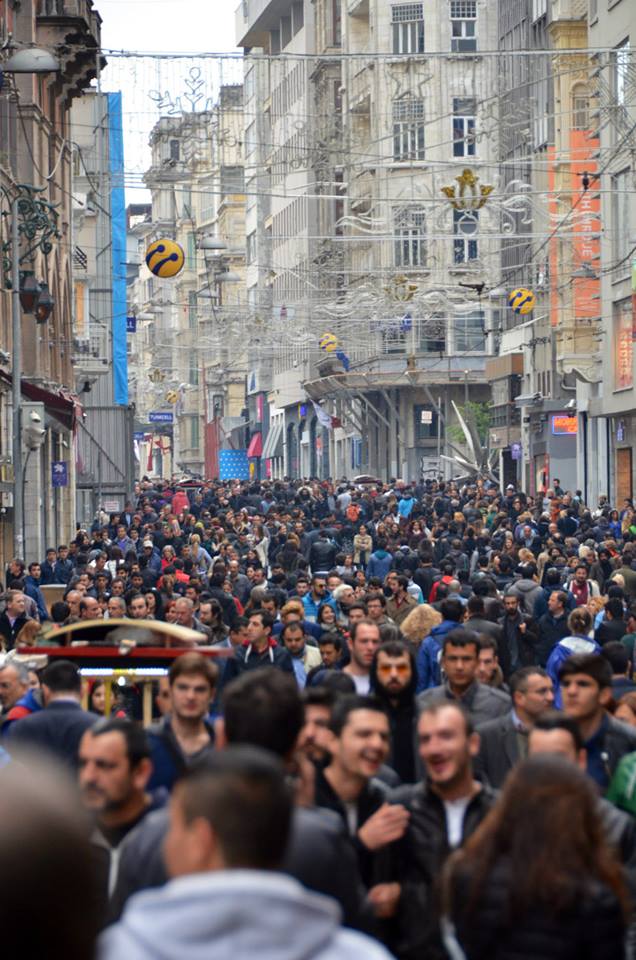
Istakial Caddessi Major Shopping Street (Photo by P. Corkery)

Istakial caddessi (Photo by P. Corkery)

This street leads from Taksim Square and is popular with locals and tourists both. This is where to go to taste the local street foods: Simit (baked dough dipped in molasses and encrusted with sesame seeds – my favorite), Midye dolma (mussels served on the half shell), Ciğ Köfte (once made with raw meat, it is now a spicy spread made of fine bulgur, tomatoes, and red pepper paste served as a wrap), Dondurma (Turkish ice cream served with a street show due to its gum like qualities), hamburgers and more. There are many nice restaurants in this area and the shopping is topnotch. There is a nostalgic tram that runs dow the length of the street but more crowded than any San Francisco street car.

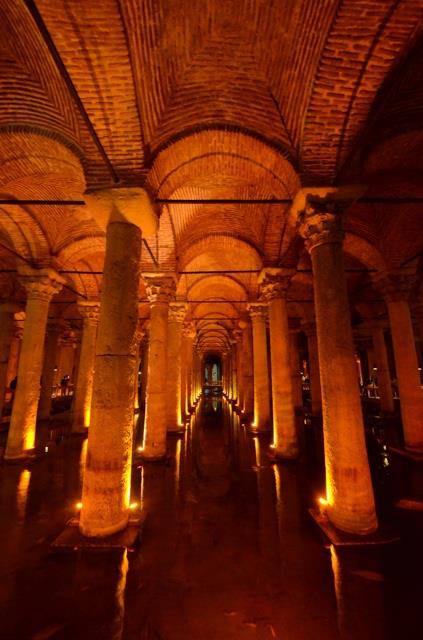
Bascilica Cistern

Bascilica Cistern (Photo by P. Corkery)

During the 6th century and the reign of Justinian, many cisterns were built beneath Istanbul (Constantinople). This one was built to store water for the great palace, but when the emperors left it was forgotten. The cisterns were rediscovered in the 1500s when home owners were catching fish in their basements. The water is full of coy that never see daylight.

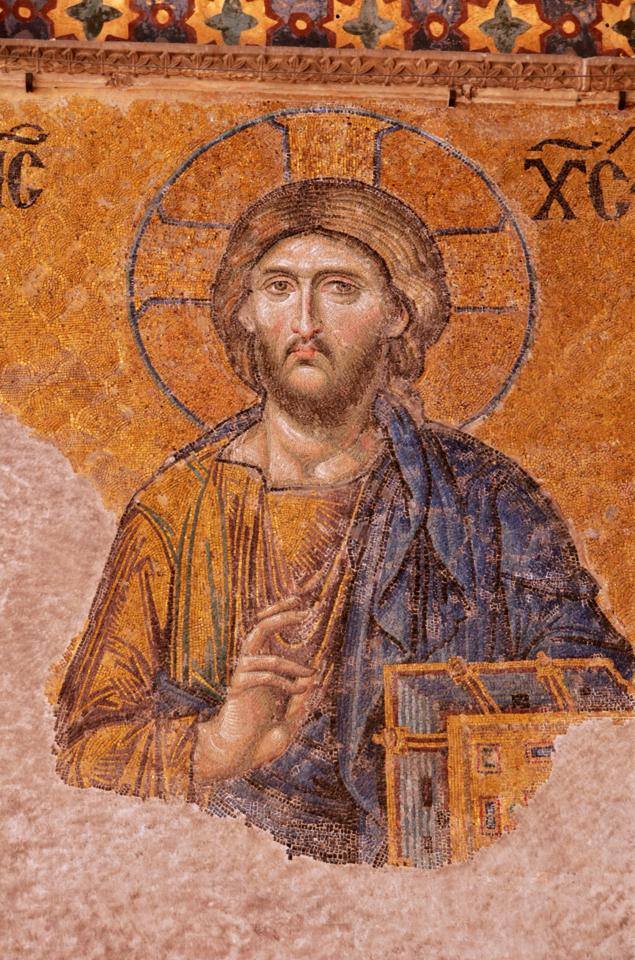
Mosaic from inside the Hagia Sophia

Mosaic from inside the Hagia Sophia (Photo by P. Corkery)

The Hagia Sophia was built as a Greek Orthodox basilica, resplendent with beautiful golden icons and mosaics. It was later converted into a mosque, all the mosaics were plastered over, and the position of the altar was moved to face towards Mecca. It is now a museum highlighting both the Christian and Islamic elements.

Visiting a Mosque

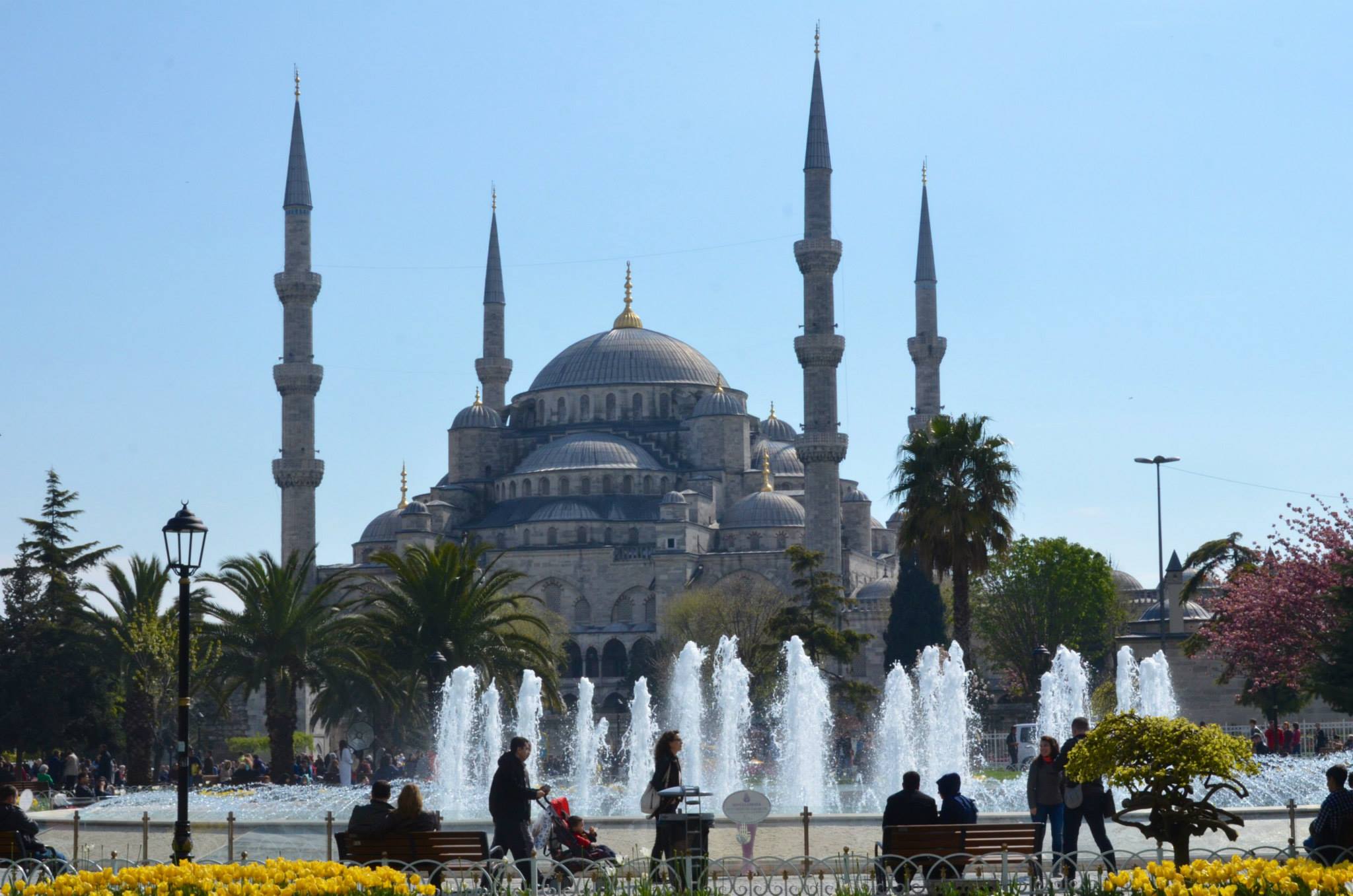
Before entering the Mosque, you must remove your shoes. The Blue Mosque offers plastic bags just for that purpose. Women must be dressed modestly with a hair covering. If you forgot to dress conservatively or left your scarf in your room, the Blue Mosque has women that will give you a scarf and swath you in a robe. It’s much more preferable to dress yourself.

scarf

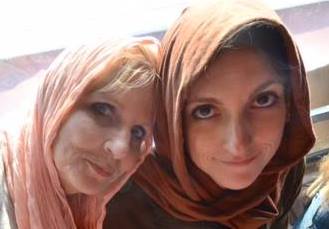
Ready to Visit the Blue Mosque (Photo by P. Corkery)